
Choosing the right base layer for cold weather is crucial for staying warm and comfortable. Base layers are the foundation of any cold weather outfit, providing essential insulation and moisture management.
Whether you’re skiing, hiking, or just braving the winter chill, the right base layer can make all the difference. It helps regulate your body temperature and keeps you dry by wicking away sweat.
In this guide, we’ll explore the best materials, fits, and features to look for in a base layer. We’ll also review top picks and offer tips on caring for your gear.
Stay warm and enjoy your winter activities with the perfect base layer.
Table of Contents
Why Base Layers Matter in Cold Weather
Base layers play a vital role in your cold weather wardrobe. They are your first layer of defense against the elements and help maintain your core body temperature. This is crucial in preventing hypothermia during outdoor winter activities.
These layers do more than just provide warmth. They are designed to manage moisture by wicking sweat away from your skin. This moisture management reduces the chance of feeling damp and cold, which can lead to discomfort or worse.
Key benefits of base layers include:
- Insulation: Keeps your body warm.
- Moisture-wicking: Moves sweat away.
- Comfort: Soft and non-restrictive fit.
Whether you’re active or relaxing, choosing the right base layer can enhance your comfort and performance in cold weather.
Key Materials: Merino Wool vs. Synthetics
When selecting a base layer for cold weather, material choice is key. Each type offers distinct advantages depending on your needs and preferences.
Merino Wool
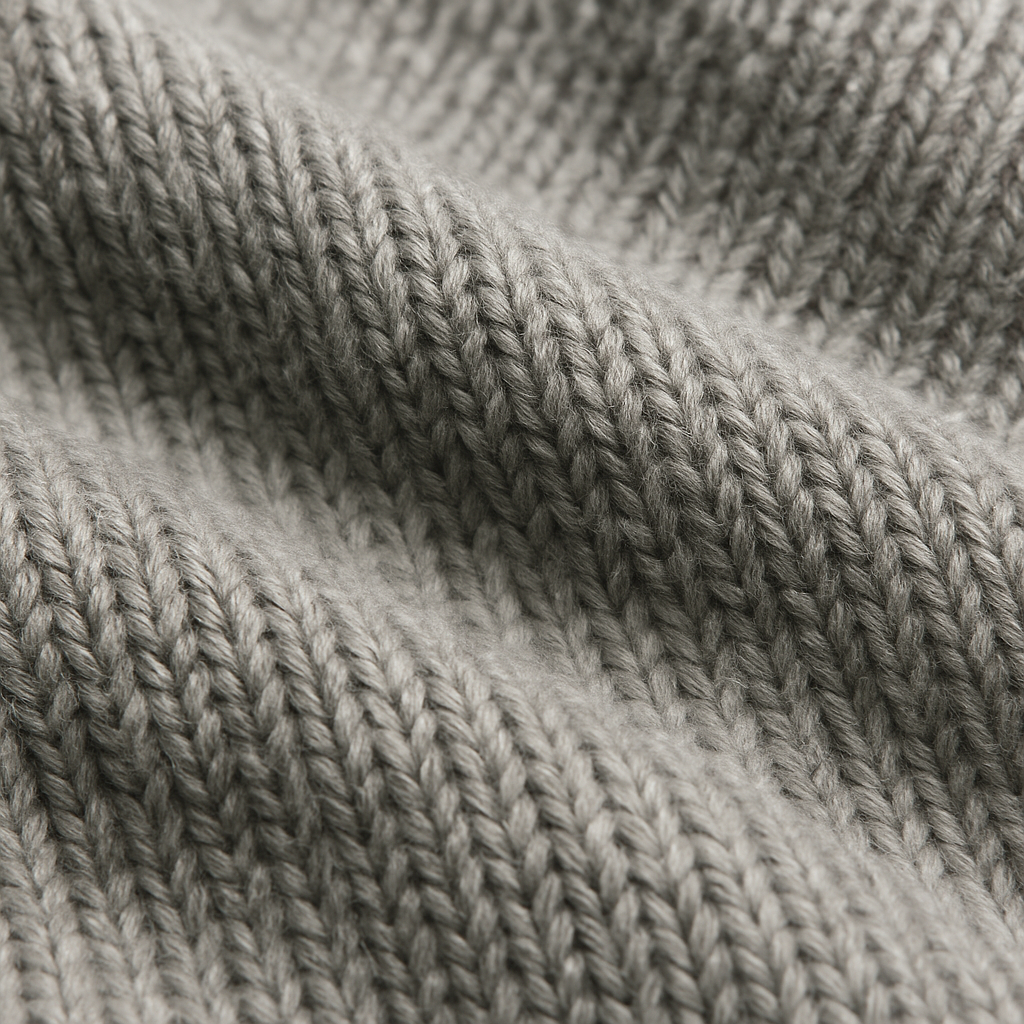
Merino wool is often lauded for its exceptional thermal properties. It provides warmth, excellent breathability, and natural odor resistance. Additionally, the fibers are soft, making it comfortable against your skin without causing itchiness.
Synthetic Materials
Synthetic base layers, typically made from polyester or nylon, offer superior moisture-wicking and quick-drying capabilities. They are often more durable and can be less expensive than wool options. Their ability to effectively move sweat is beneficial during high-intensity activities in cold weather.
Comparing the Two
Here’s a quick comparison of the materials:
- Warmth: Merino wool excels in warmth.
- Moisture Management: Synthetics wick away sweat rapidly.
- Odor Control: Merino wool offers natural resistance.
- Durability: Synthetics tend to last longer with active use.
In cold conditions, your choice depends on balancing warmth, moisture management, and personal comfort. Both materials have their merits, so consider your specific activity and environmental conditions when making a decision.
Choosing the Right Weight: Light, Mid, or Heavy?
Selecting the right weight for your base layer is crucial for comfort. Each weight—light, mid, and heavy—serves different purposes and conditions.
Light Weight
Lightweight base layers excel in milder conditions or high-intensity activities. They offer minimal insulation but maximize moisture management. This weight is perfect for those who sweat more or plan intense activities.
Mid Weight
Mid-weight base layers strike a balance between warmth and breathability. They are versatile, suitable for various activities and temperatures. This makes them a popular choice for variable winter climates.
Heavy Weight
Heavyweight base layers provide the most insulation. They are ideal for extreme cold or when engaging in low-intensity activities outdoors. Opt for this layer when warmth is your top priority.
Consider these weights:
- Light: High activity, mild cold.
- Mid: Versatile, variable weather.
- Heavy: Maximum warmth, low intensity.
Choosing the right weight ensures you stay comfortable and warm, regardless of the conditions.
Fit, Comfort, and Mobility
A well-fitted base layer is essential for warmth and functionality. It should hug the body snugly without being restrictive. This close fit ensures efficient moisture-wicking and retains body heat effectively.
Comfort in a base layer extends beyond fabric texture. The construction of seams and cuffs plays a significant role in comfort. Opt for flatlock seams and soft cuffs to minimize chafing during movement.
Mobility should never be compromised, especially during outdoor activities. Look for base layers with some stretch or elastane content. This flexibility supports a full range of motion, allowing you to move freely whether skiing or hiking.
To maximize fit and comfort, consider these elements:
- Snug fit: Optimal warmth.
- Soft seams: Enhanced comfort.
- Stretch fabric: Unrestricted movement.
Prioritize these features to ensure your base layer performs well in every winter scenario.
Top Picks: Best Base Layers for Winter Activities
Choosing the best base layer for your winter activities can enhance your performance and comfort. Whether you’re skiing, hiking, or just braving the cold, the right base layer is key. Here, we provide top recommendations tailored to various cold-weather pursuits.
For skiing enthusiasts seeking warmth and flexibility, the Smartwool Merino 250 Crew is a top choice. It offers excellent insulation, breathability, and a comfortable fit. Merino wool’s natural properties make it a favorite among skiers.
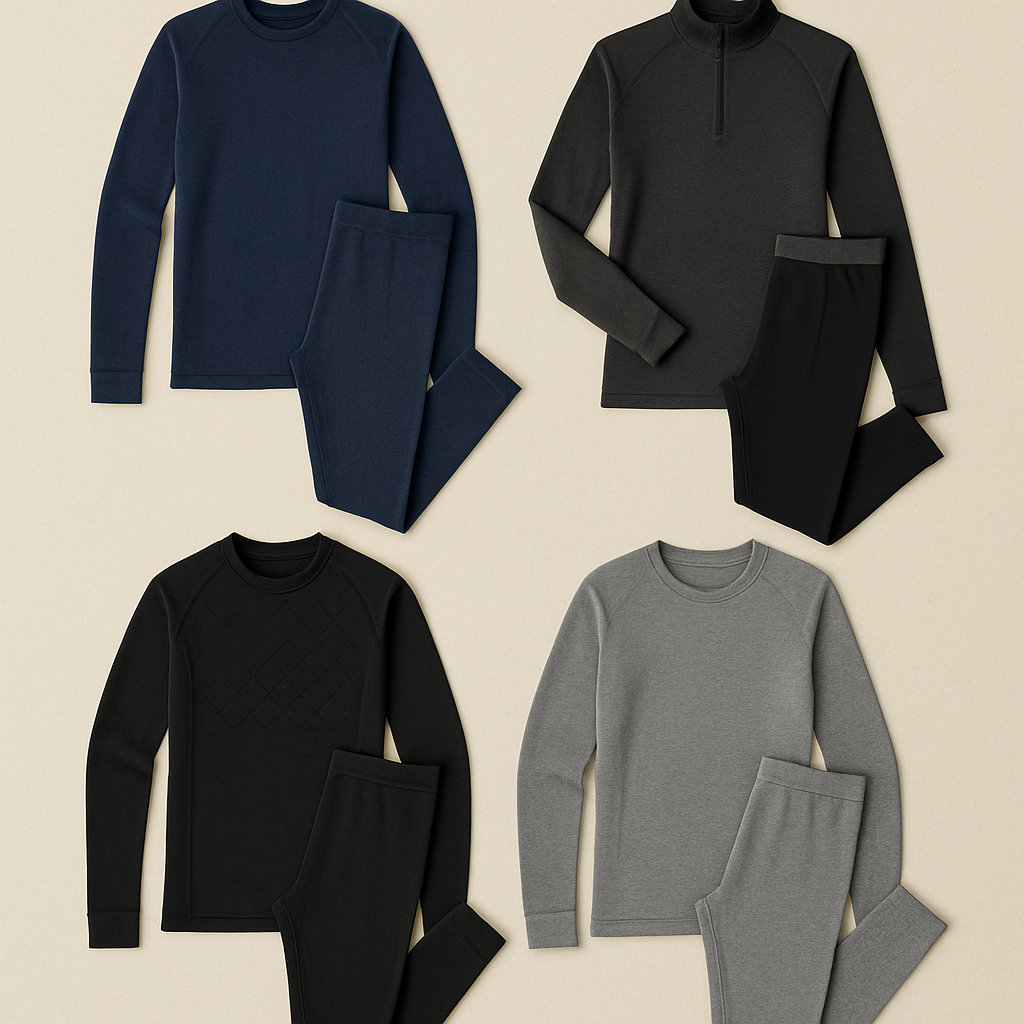
Hikers might prefer the Patagonia Capilene Midweight Crew. This synthetic option excels at moisture management and quick drying. The balanced warmth and durability of this layer make it ideal for long treks in chilly conditions.
The Icebreaker Merino 200 Oasis caters to versatile outdoor activities. It’s well-regarded for its blend of merino wool softness and odor control. This makes it perfect for those with varying activity levels.
Consider the Under Armour ColdGear Base 4.0 if you’re in extreme cold. It’s designed to tackle frigid temperatures with its dual-layer fabric, offering superior warmth and moisture management.
Top picks can vary, so factor in your activity and climate before deciding. Here’s a summary of noteworthy base layer options:
- Smartwool Merino 250 Crew: Best for skiing.
- Patagonia Capilene Midweight Crew: Great for hiking.
- Icebreaker Merino 200 Oasis: Versatile choice.
- Under Armour ColdGear Base 4.0: Ideal for extreme cold.
Selecting the right base layer enhances your comfort and safety in winter’s challenging conditions.
Caring for Your Base Layers
Proper care extends the life of your base layers and ensures they perform well. Always follow specific washing instructions on the garment’s label. Generally, machine washing on a gentle cycle with cold water is recommended.
Avoid fabric softeners as they can reduce moisture-wicking capabilities. Instead, opt for mild detergents. Here’s a quick care checklist:
- Use cold water and a gentle cycle.
- Avoid fabric softeners.
- Air dry or use a low heat setting.
Taking these steps helps maintain the integrity and functionality of your base layers for many winters to come.
Frequently Asked Questions About Base Layers
What is the warmest base layer for extreme cold? The warmest base layer usually combines merino wool and synthetic fibers. This blend offers enhanced insulation and breathability.
How should a base layer fit? A base layer should fit snugly against your skin. This fit ensures efficient moisture-wicking and prevents cold air from entering.
Are base layers only for winter activities? Not at all! Base layers suit any cold condition, whether you’re hiking, skiing, or simply commuting.
Here’s a quick FAQ summary:
- Warmest layers: Wool and synthetic blends.
- Fit: Snug, but comfortable.
- Uses: Suitable for multiple cold-weather activities.
These answers highlight the essentials of choosing and using base layers effectively.
Final Tips for Staying Warm This Winter
Layering is your best friend when tackling cold weather. Start with a high-quality base layer that suits your activity level and the climate. This layer is crucial for insulating body heat and managing moisture.
Consider the type of activities you plan to pursue. Adjust your clothing accordingly, ensuring each piece complements your base layer. Always keep in mind that warmth, comfort, and flexibility should be your guiding principles. Equip yourself smartly, and enjoy all winter has to offer without compromising your comfort.