
Table of Contents
Safety Considerations for Heated Socks Use
Heated socks are a popular solution for keeping your feet warm during cold weather. Are heated socks safe? Whether you are hiking, skiing, or just lounging at home, they can provide much-needed warmth. However, just like any electric device, there are safety considerations to keep in mind to ensure their safe and effective use. In this article, we will discuss how heated socks work, their safety, and essential tips for using them safely.
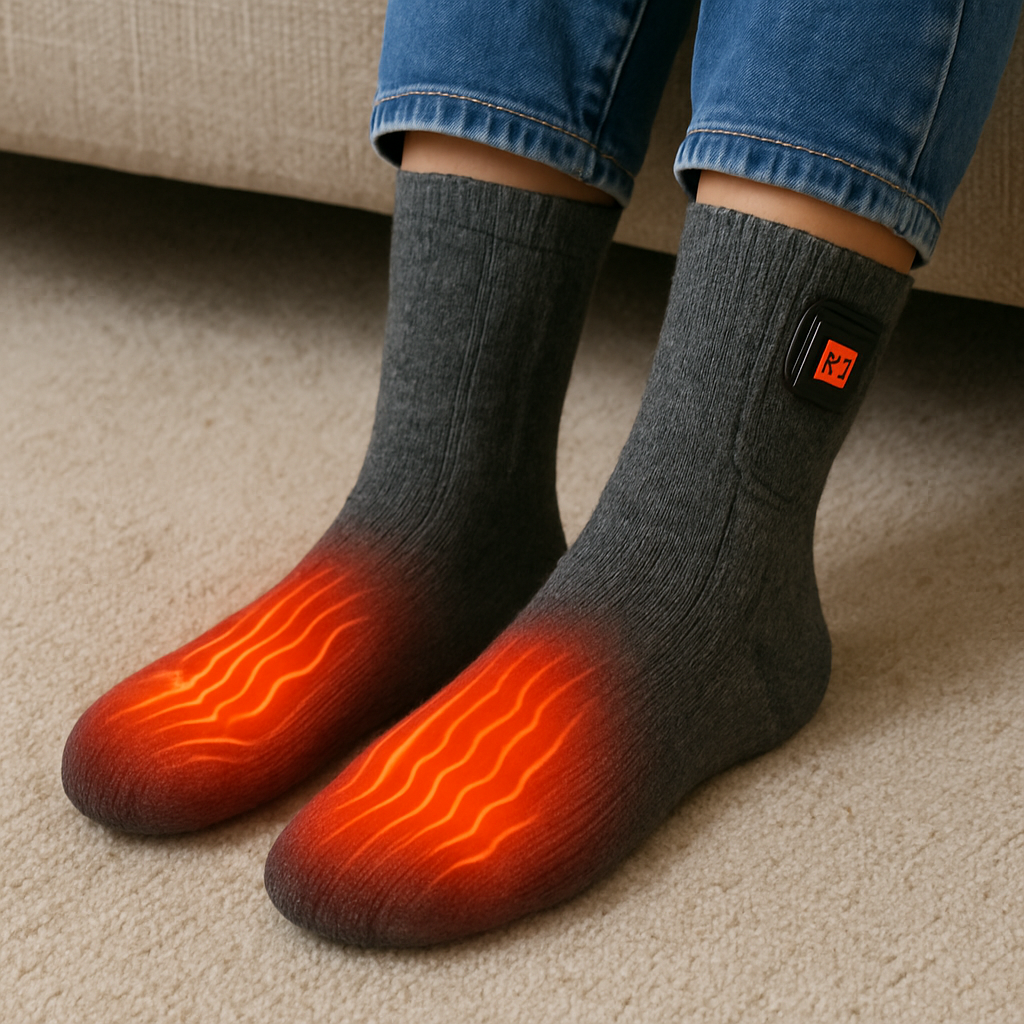
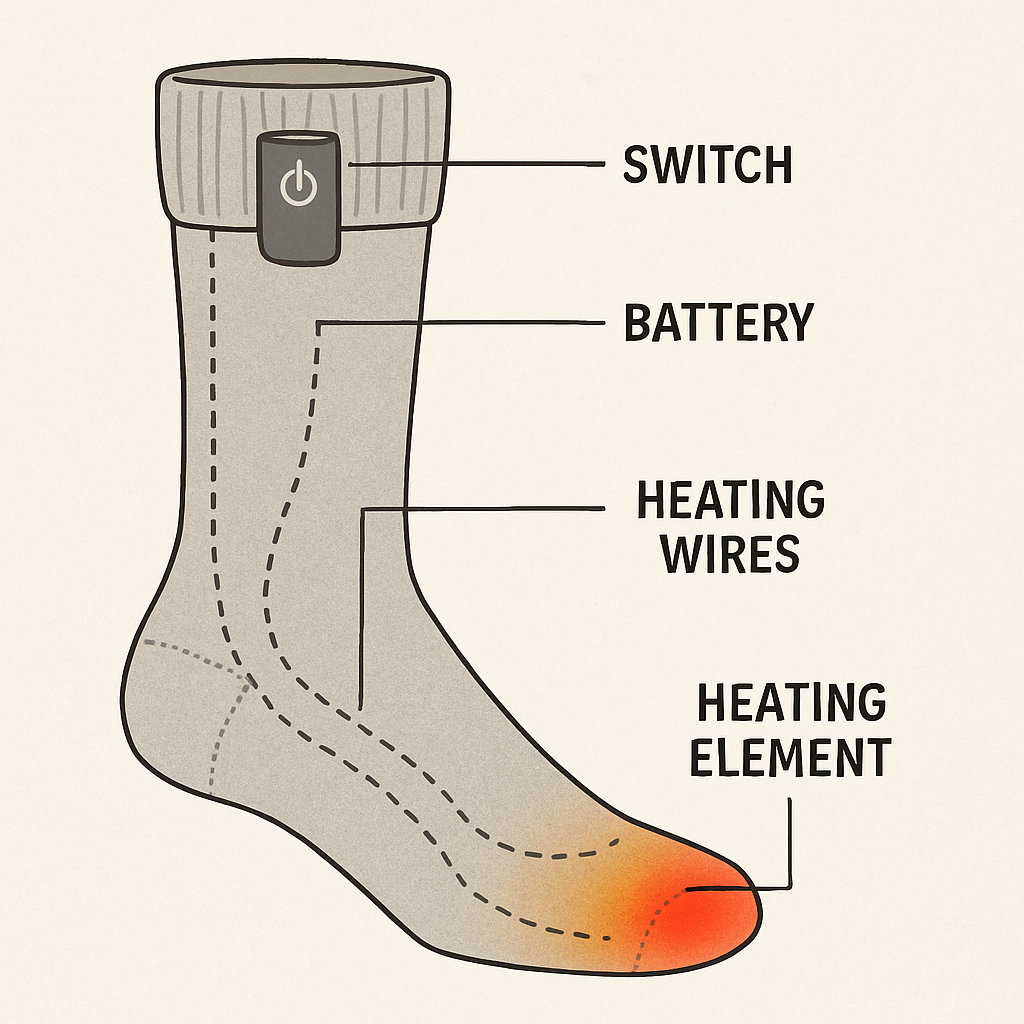
Heated socks are designed with built-in heating elements that generate warmth. These elements are typically powered by batteries, which can be either rechargeable or disposable. The heating element is usually located in the toe or the sole area of the sock, providing direct heat to the feet.
Types of Heated Socks
- Battery-Operated Socks: These socks use small batteries, often placed in a pocket on the sock, to power the heating element. The batteries can be rechargeable or disposable.
- Electric Socks: These are plugged into a power source to heat up. They are less common due to the inconvenience of needing to be near an outlet.
- Chemically Heated Socks: These use chemical reactions to generate heat. They are single-use and less popular due to environmental concerns.
The safety of heated socks largely depends on their design and how they are used. Most heated socks on the market are safe for use, provided that users follow the manufacturer’s instructions. Here are some safety aspects to consider:
Battery Safety
Batteries are the primary power source for heated socks, and their safety is crucial. Overheating, short-circuiting, or using incompatible batteries can pose risks. Always use the recommended batteries and chargers provided by the manufacturer to avoid these issues.
Material Safety
Heated socks should be made of materials that are not only comfortable but also heat-resistant. Look for socks made from materials like wool or synthetic fibers designed to withstand heat without igniting or degrading.
Overheating Concerns
Some users worry about the risk of burns or overheating. Most modern heated socks come with temperature controls to allow users to adjust the heat setting. Starting at a lower setting and gradually increasing the temperature can help avoid discomfort or burns.
Tips for Safe Use of Heated Socks
To maximize safety and comfort while using heated socks, consider the following tips:
Follow Manufacturer Instructions
Always read and adhere to the instructions provided by the manufacturer. These instructions are tailored to the specific model and design of your heated socks.
Inspect Regularly
Before each use, inspect your heated socks for any signs of wear or damage, such as frayed wires or exposed heating elements. If you notice any damage, do not use the socks until they have been repaired or replaced.
Monitor Battery Usage
Keep an eye on the battery life and charge your socks regularly. Avoid letting the batteries completely discharge, as this can reduce their lifespan and affect performance. Replace batteries when they show signs of wear or decreased performance.
Avoid Water Exposure
Electric components and water are a dangerous combination. Keep your heated socks dry and avoid using them in wet conditions. If your socks do get wet, allow them to dry completely before using them again.
Use Properly Fitting Socks
Ensure that your heated socks fit well. Socks that are too tight can restrict circulation, while socks that are too loose may not provide adequate warmth. Properly fitting socks also help prevent the heating element from shifting and causing discomfort.
Do Not Sleep in Heated Socks
While it might be tempting to keep your feet warm all night, it’s generally not recommended to sleep in heated socks. Prolonged exposure to heat can lead to overheating or burns, especially if you fall asleep and are unable to adjust the temperature.
Conclusion
Heated socks are a convenient and effective way to keep your feet warm in cold conditions. By understanding how they work and following safety guidelines, you can enjoy the benefits of heated socks without compromising on safety. Always prioritize reading the manufacturer’s instructions and regularly inspecting your socks to ensure they remain in good working condition. With the right precautions, heated socks can be a safe and cozy addition to your cold-weather wardrobe.
Remember, safety first, warmth second. Stay safe and enjoy the warmth!